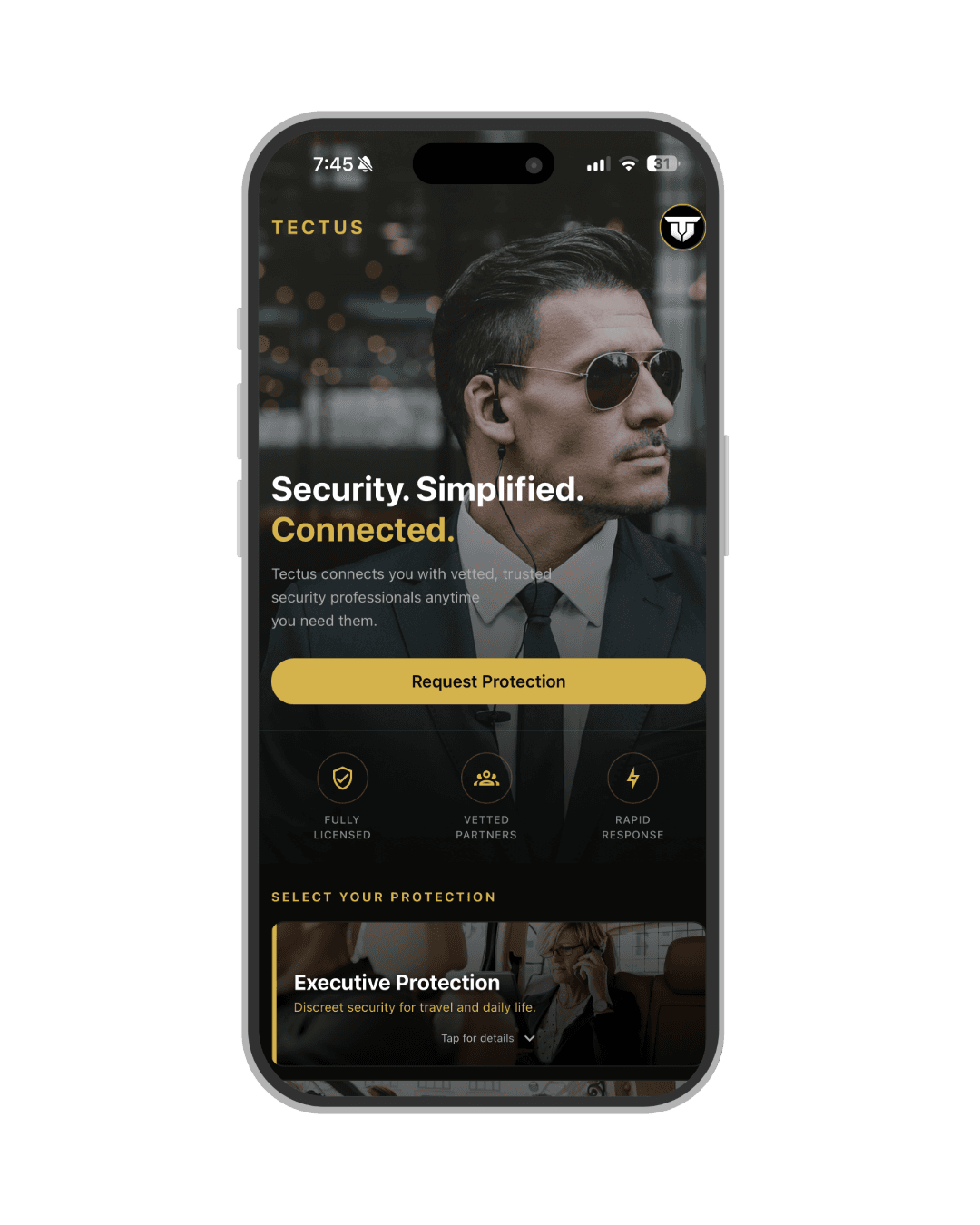

Security is not a commodity. It is an operational necessity. In an era of fragmented vendors and varying standards, the process of selecting a corporate security vendor requires precision. A failure in vetting is a failure in protection.
Traditional procurement is slow. It relies on manual phone calls and outdated paper trails. Modern organizations require a digital, transparent, and authoritative approach to deployment.
Here are the 10 critical factors for professional vendor vetting in 2026.
01. Dual-Verification of Licensing
Standard vetting checks a box. Dual-verification confirms reality.
The Process: Verification must happen at the state regulatory level.
The Benefit: Better compliance. Reduced legal exposure. Active status confirmed in real-time.
02. Comprehensive Insurance Compliance
General liability is the baseline. It is rarely enough for corporate environments.
The Requirement: Vendors must maintain General Liability and Workers' Compensation where required.
The Benefit: Reduced risk. Improved protection against site-specific incidents.
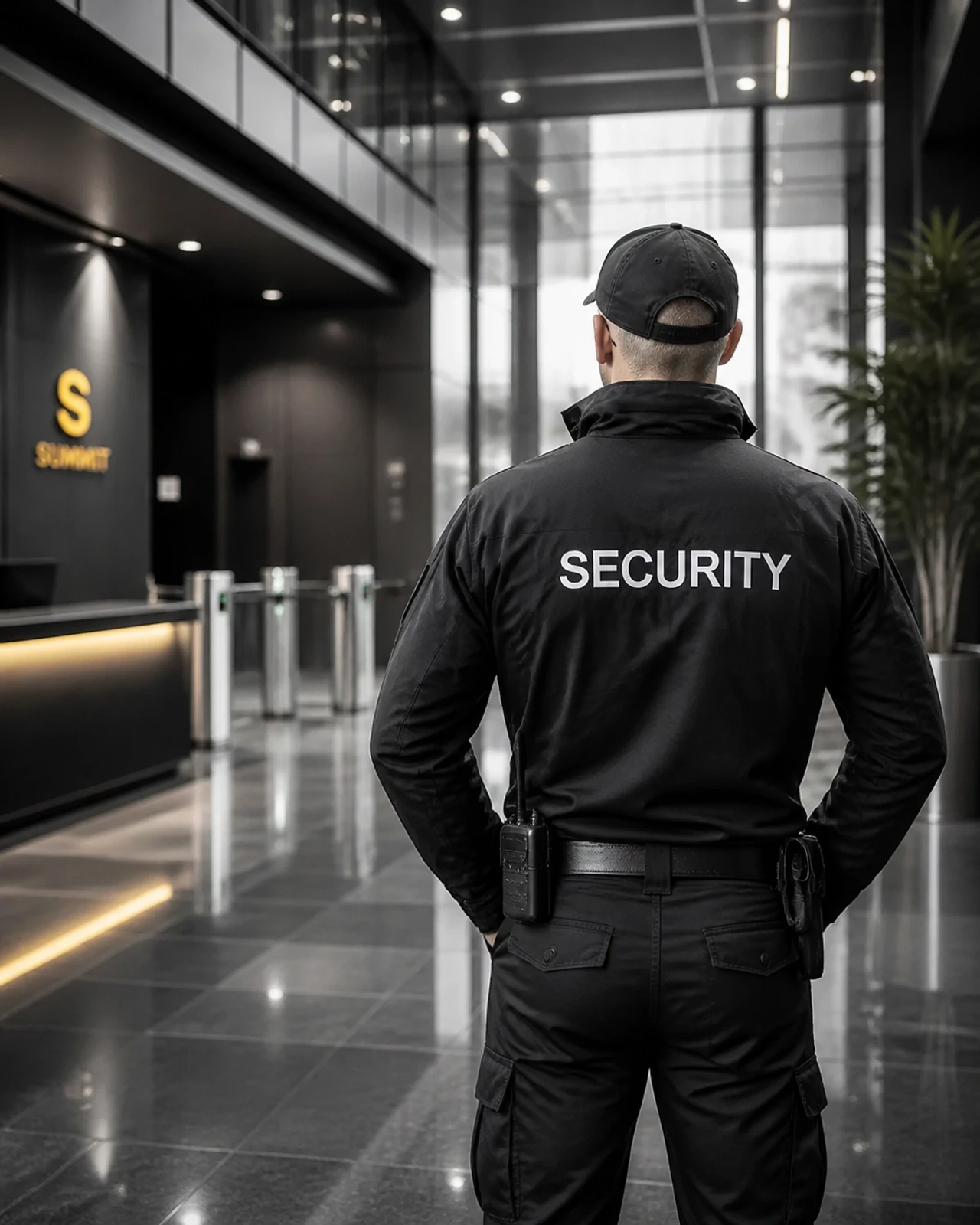
03. Defined SLA Management
Ambiguity is a risk. Professional vetting demands clear Service Level Agreements (SLAs).
The Metric: On-time arrival rates, incident reporting speed, and communication uptime.
The Benefit: Performance-driven results. Contractual accountability.
04. Real-Time GPS & Shift Monitoring
Trust, but verify. Paper logbooks are obsolete and prone to fabrication.
The Feature: Digital geofencing and GPS tracking for every guard on shift.
The Benefit: Operational transparency. Verified presence. Immediate detection of perimeter gaps.
05. Specialized Training Standards
A retail guard is not an executive protection specialist. Vetting must match the guard's profile to the environment.
The Scope: Request specific training and certifications like de-escalation training, first aid/CPR, and venue-specific protocols.
The Benefit: Precision response. Minimized liability. Professional conduct.
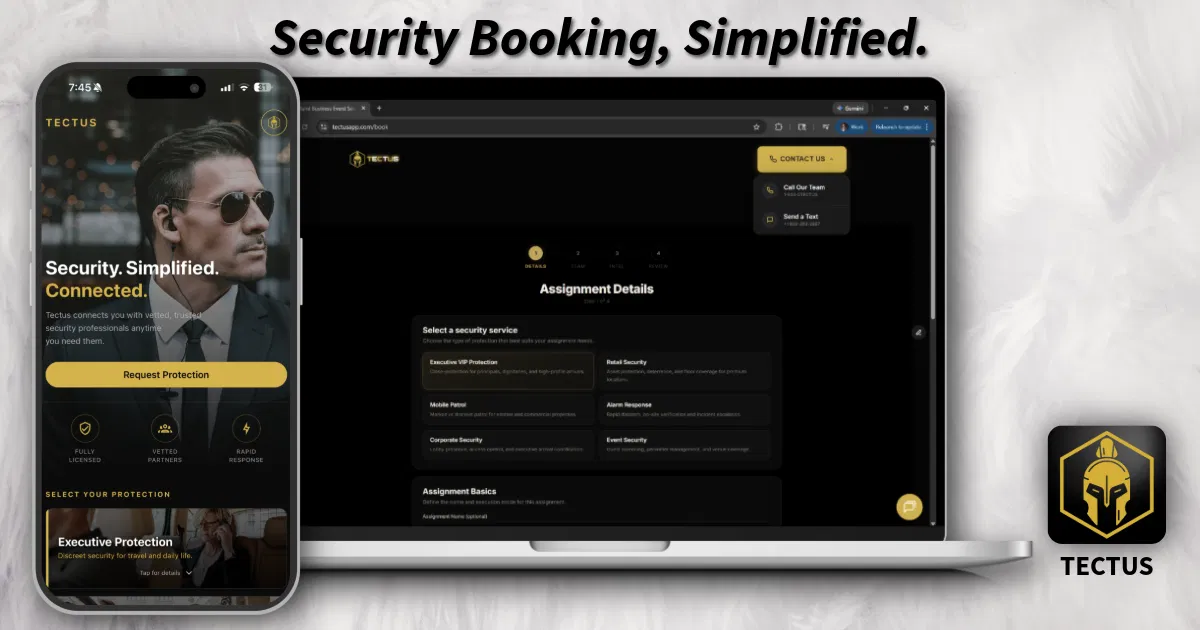
06. Centralized Dashboard Integration
Managing multiple vendors through emails is inefficient. Centralization is mandatory.
The Feature: A single interface for bookings, monitoring, and reporting.
The Benefit: Simplified oversight. One source of truth. Accelerated decision-making.
07. Rapid Deployment Agility
Threats do not wait for procurement cycles. Vetting must include a vendor's "same-day" response capability.
The Standard: Ability to deploy vetted personnel within hours, not days.
The Benefit: Incident containment. Immediate coverage. Business continuity.

08. Discreet Executive Presence
For C-Suite and VIP protection, the "visual footprint" matters as much as the tactical skill.
The Requirement: High-level social engineering awareness and low-profile operational execution.
The Benefit: Uninterrupted operations. Professional optics. Secure travel.
09. Transparent Pricing & Logistical Clarity
Hidden fees destroy budgets. Professional vetting requires upfront disclosure of all logistical constraints.
The Detail: Clear hourly minimums, holiday rates, and travel fees.
The Benefit: No financial surprises. Accurate forecasting.
10. Reputation and Scalability
A vendor that succeeds at one site may fail at ten. Vetting must assess the ability to scale.
The Check: Proven track record in multi-site retail security or large-scale event security.
The Benefit: Consistent service quality across your entire organizational footprint.
Logistical Constraints & Operational Requirements
Effective deployment requires adherence to specific operational parameters. Tectus maintains these standards to ensure the highest level of service integrity.
Hourly Minimums: Standard shifts require a 4-hour minimum per guard.
Notice Period: Scheduled services require 24-48 hours notice; emergency response is available 24/7.
Documentation: All post orders and site-specific instructions must be uploaded via the Tectus dashboard prior to shift commencement.
Payment Terms: Standardized billing cycles managed centrally through the platform.